Trying to decide between a Saratoga single-family home and a townhome? The sticker price is only part of the picture. In a high-value market like Saratoga, your true monthly and annual costs come from taxes, HOA dues, insurance, maintenance, utilities, and the way responsibilities are split between you and an association. In this guide, you will learn how each expense works, what to verify before you buy, and a simple method to compare two properties side by side. Let’s dive in.
Saratoga market snapshot
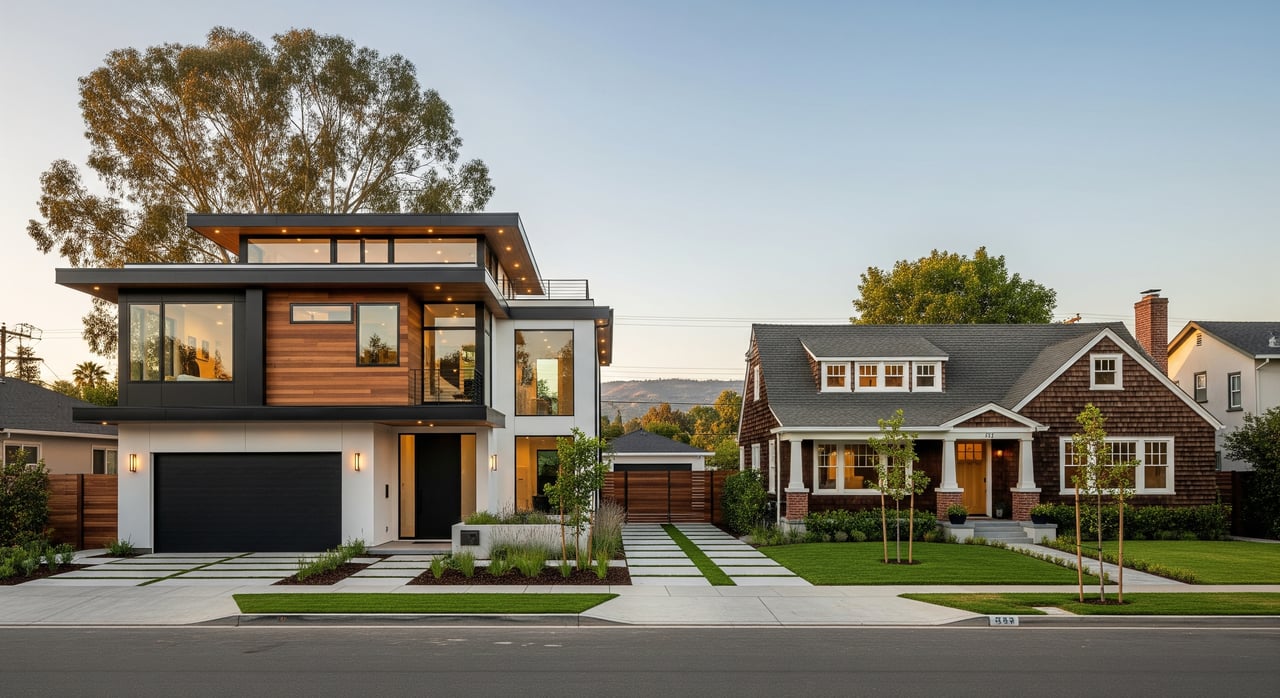
Saratoga is a premium, low-inventory city in west Santa Clara County. Single-family homes usually command higher prices due to larger lots and limited supply. Townhomes are fewer in number and typically cost less per unit than detached homes, but most come with HOA dues that bundle shared expenses.
Because many costs scale with value, higher purchase prices often mean higher property taxes, insurance replacement costs, and larger maintenance budgets in dollar terms. Townhomes can carry lower prices and simpler exterior obligations, yet HOA dues and potential special assessments become part of your long-term equation. Resale dynamics also differ. Detached homes often draw a broad buyer pool, while townhome demand and inventory can vary by complex and amenities.
Cost components side by side
Purchase price and financing
- Single-family homes: Often higher prices in Saratoga, so you may see larger loan amounts and higher monthly principal and interest. If you have a smaller down payment, loan qualification or PMI can be more demanding.
- Townhomes: Typically lower purchase prices. If you use FHA or VA financing, confirm the project’s approval status early, since that can affect your loan options.
Property taxes and parcel charges
In California, Proposition 13 sets a base rate around 1 percent of assessed value, plus voter-approved local assessments and direct charges. The assessed value generally resets upon sale and then is capped for annual increases until ownership changes again. Dollar amounts rise with higher purchase prices, so single-family homes often carry larger tax bills.
Some neighborhoods include special taxes or Mello-Roos that materially add to the bill. These are parcel-specific, not property-type specific. Always review the current tax bill, look for any Mello-Roos or parcel taxes, and budget for supplemental taxes after purchase.
HOA dues, reserves, and special assessments
- Townhomes: Most are part of a common-interest development with monthly HOA dues. Dues often include common area upkeep, building exterior or roof maintenance, landscaping, trash, sometimes water, and a master insurance policy. The HOA should maintain reserves for long-term repairs. If reserves are insufficient, owners can face special assessments for large projects.
- Single-family homes: Many are fee-simple with no HOA. Some neighborhoods have minimal HOAs for common areas. If present, dues are usually lower than townhome dues.
For any HOA property, request the budget, reserve study or funding plan, recent financial statements, board minutes, and a history of special assessments. Confirm exactly what the dues cover and what is the owner’s responsibility.
Insurance coverage differences
- Single-family homes: You typically buy a full homeowners policy (often HO-3) that covers the structure, personal property, liability, and loss of use. The premium reflects replacement cost, location, and risk factors.
- Townhomes: You usually carry an HO-6 policy for interior improvements, personal property, and liability. The HOA carries a master policy that may be “walls-in” or “bare walls.” The master policy’s scope and deductible affect your out-of-pocket exposure. Always get the master policy details and confirm gaps your HO-6 must fill.
Maintenance and capital items
- Single-family homes: You are responsible for nearly all exterior elements and landscaping. Industry guidance suggests budgeting roughly 1 to 3 percent of home value per year for maintenance and small repairs, adjusting for age and condition. Major items like roof replacement, HVAC, and exterior paint are additional.
- Townhomes: Owner obligations often focus on interiors and limited patios. The HOA handles building envelope and common areas. Your direct maintenance budget may be lower, but HOA dues aggregate many exterior and capital expenses. Pay attention to the reserve study to gauge the likelihood of future assessments.
Utilities, water, and landscaping
Single-family owners cover yard care, irrigation, and full utilities. Larger lots can mean higher water usage. Many townhome HOAs include landscaping, trash, and sometimes water in dues, while you pay your interior utilities. Ask for recent bills and the HOA inclusions list to understand your monthly outflow.
Age and upgrade considerations
Older Saratoga homes may need seismic retrofits, electrical or plumbing upgrades, and energy improvements. For townhomes, interior upgrades are usually your cost, while exterior items depend on the HOA’s responsibilities. If you want solar or an EV charger, confirm whether the HOA allows and how costs are split for any shared infrastructure.
Build your total monthly cost
The right way to compare a single-family home and townhome is to model total ongoing costs, not just the mortgage. Use this framework for each property you are considering:
- Mortgage principal and interest: Based on purchase price, down payment, and interest rate.
- Property taxes: Assessed value times the base rate plus local assessments and direct charges. Include a cushion for any Mello-Roos or parcel taxes.
- Insurance: HO-3 for single-family homes or HO-6 for townhomes. For townhomes, confirm how the HOA’s master policy coordinates with your HO-6.
- HOA dues: Monthly dues for townhomes, and for single-family homes if there is an association.
- Maintenance reserve: For single-family homes, use a baseline of 1 to 3 percent of value per year. For townhomes, 0.5 to 1.5 percent is a reasonable owner interior range, since exterior is shared via HOA dues. Adjust for age and condition.
- Utilities and landscaping: Estimate monthly water, power, gas, internet, trash, and yard care. Larger lots usually mean higher water and landscaping costs.
- Special assessment contingency: For townhomes, add a cushion if reserves are thin or large projects are coming.
Total Monthly Cost = P&I + Taxes + Insurance + HOA + Maintenance Reserve + Utilities/Landscaping + Assessment Contingency
Quick worksheet
Use this checklist to build your comparison in minutes:
- Price inputs: Purchase price, down payment percentage, and interest rate.
- Taxes: Apply the base rate and add any parcel charges shown on the tax bill or title report.
- Insurance: Get quotes for HO-3 or HO-6. For townhomes, collect the HOA master policy and deductible.
- HOA dues: Enter the monthly amount and note what it covers.
- Maintenance: Select a percentage based on age and condition. Single-family: 1 to 3 percent. Townhome owner share: 0.5 to 1.5 percent.
- Utilities and landscaping: Average the last 12 months if available.
- Townhome contingency: If the reserve study shows a funding gap or upcoming roof, siding, or paving project, add an annual contingency amount.
How to compare two properties
Gather documents: Seller disclosures, recent utility bills, HOA packet if applicable, preliminary title report, and the current property tax bill.
Plug numbers into your worksheet for each property. Keep the interest rate and down payment consistent so you are comparing apples to apples.
Stress-test your estimate. For a single-family home, run maintenance at both 1 percent and 2 to 3 percent. For a townhome, run your HOA dues as stated, then add a contingency if reserves look light.
Decide on your priorities. If total monthly costs are close, the choice often comes down to lifestyle: yard space and privacy versus low exterior maintenance and shared amenities.
Due diligence checklist
For all properties
- Seller disclosures and any pest or wood-destroying organism reports.
- Age and service history of major systems: roof, HVAC, water heater, and sewer laterals.
- Recent utility bills for at least one year to capture seasonal swings.
- Preliminary title report and current property tax bill. Confirm any special taxes or parcel charges and plan for supplemental taxes.
For townhomes and any HOA community
- CC&Rs, Bylaws, and Rules and Regulations. Confirm what is owner responsibility versus HOA responsibility.
- HOA financials: current budget, reserve study or reserve plan, and the last two years of financial statements.
- Board minutes for the last 6 to 12 months. Look for discussions about major repairs, litigation, or special assessments.
- Master insurance policy declarations, coverage scope (walls-in or bare walls), limits, and deductible.
- History of special assessments and any that are pending or proposed.
- HOA delinquency rate and any ongoing litigation.
Strategy and negotiation tips
If you buy a single-family home
- Price your offer with near-term capital items in mind. Roofs, HVAC, foundation, or seismic work can justify credits or price adjustments.
- Use inspections to refine your maintenance budget and set realistic reserves.
If you buy a townhome
- Review the reserve study closely. If there is a funding gap or a major project is scheduled, request a seller credit or have the seller cover upcoming assessments.
- Ask the seller to pay HOA transfer or move-in fees when customary.
- Confirm master policy details early so your HO-6 quote covers any gaps.
Lifestyle tradeoffs to weigh
- Space and yard use: Single-family homes typically offer more private outdoor space and storage. Townhomes can deliver a lock-and-leave lifestyle with less yard work.
- Predictability: Townhome dues make many exterior costs predictable, but special assessments can occur. Single-family costs are under your control, yet they can spike with major projects.
- Amenities: Some townhome communities offer pools, clubhouses, or landscaped grounds. Decide if these match your lifestyle and budget.
- Privacy and maintenance time: Detached homes often provide more privacy. Townhomes can free your weekends from yard and exterior upkeep.
When a single-family home can pencil out
- Long-term horizon: If you plan to stay for many years, the control over improvements and potential resale appeal of a detached home may justify higher carrying costs.
- Yard and customization: If you value a larger lot, ADU potential, or the freedom to add solar, EV infrastructure, or landscape features, single-family ownership provides flexibility.
- No HOA dues: Many Saratoga single-family homes have no HOA, which removes a recurring expense and any risk of HOA special assessments.
When a townhome can make sense
- Lower entry price: Reduces down payment and monthly mortgage costs.
- Shared exterior costs: Roofing, siding, and landscaping are typically budgeted at the community level, so your interior maintenance can be more predictable.
- Time savings: Less yard work and fewer exterior responsibilities fits a lock-and-leave lifestyle.
Bottom line
In Saratoga, the best choice is the one that matches your monthly budget, time, and lifestyle. A single-family home may carry higher dollar costs but gives you control and space. A townhome can deliver a lower purchase price and shared exterior upkeep, but you must monitor HOA health and reserves. Use the worksheet approach to compare total monthly costs, then weigh the lifestyle fit.
If you want help modeling specific properties or reviewing HOA documents, reach out to Ed Bangle for a practical, Saratoga-focused consultation.
FAQs
What costs most affect Saratoga home ownership?
- In Saratoga, property taxes tied to purchase price, insurance replacement costs, and maintenance scale with value. For townhomes, HOA dues and reserve strength are key factors.
How do HOA dues change townhome costs?
- HOA dues often include exterior upkeep, landscaping, trash, and a master insurance policy, which reduces direct exterior expenses but adds a monthly line item and potential for special assessments.
How should I budget maintenance for a single-family home?
- A common rule of thumb is 1 to 3 percent of home value per year, adjusted for age and condition. Include extra for major systems nearing end of life.
What insurance do I need for a townhome?
- You typically need an HO-6 policy for interior finishes, personal property, and liability, coordinated with the HOA’s master policy. Confirm coverage gaps and the master policy deductible.
How do I check for special taxes or Mello-Roos?
- Review the current property tax bill and preliminary title report for parcel-specific charges. Ask for written confirmation of any special assessments before you finalize your offer.