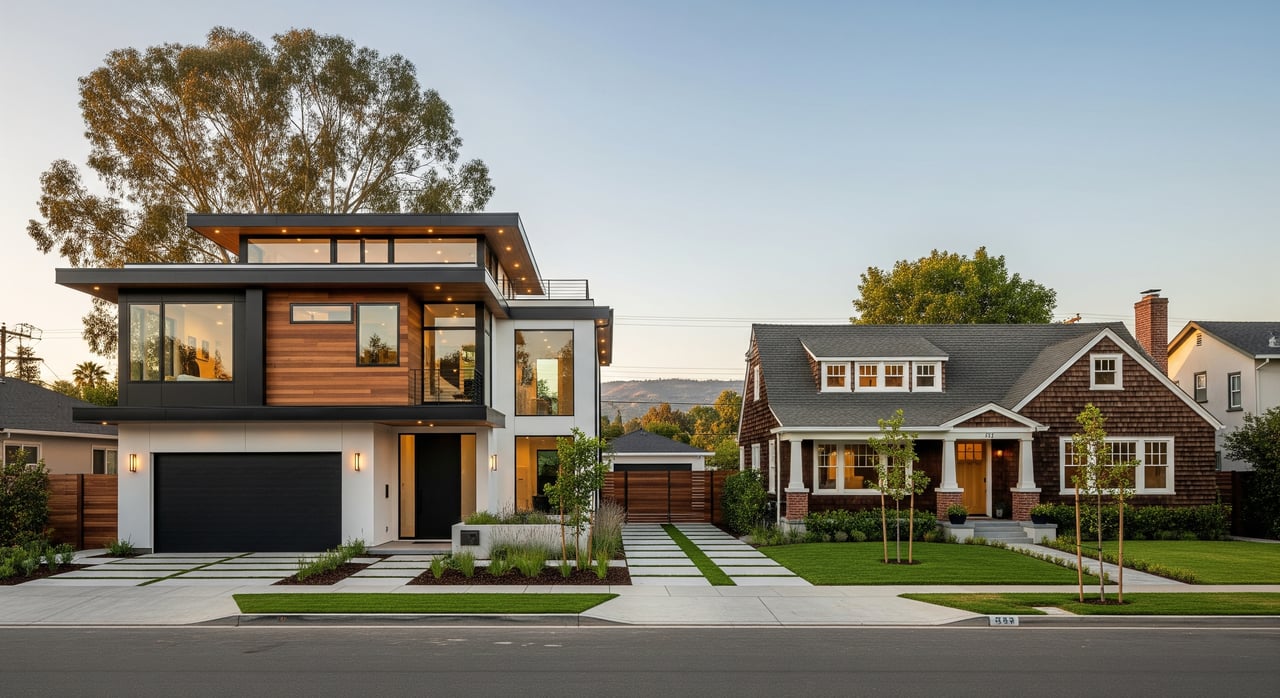
Torn between a gleaming new build and a character-filled resale in Sunnyvale? You are not alone. In a fast, low-inventory market, each path offers real benefits and trade-offs, and the right choice depends on your timeline, budget, and lifestyle. In this guide, you will learn how costs, timelines, warranties, and financing differ so you can move forward with confidence. Let’s dive in.
Sunnyvale market snapshot
Sunnyvale sits in Santa Clara County at the heart of Silicon Valley, where demand is strong and resale inventory often moves quickly. New construction is limited by land, zoning, and permitting, so many projects are infill townhomes or smaller communities rather than large master-planned neighborhoods. That means selection can be tight and timing can vary, especially for to-be-built homes. Before you zero in on a property, make sure you review current comps, project timelines, and disclosures with your agent.
New construction vs resale at a glance
| Factor | New Construction | Resale |
|---|---|---|
| Purchase price | Often carries a premium for modern design and systems | Tied to local comps; prime lots can command high prices |
| Time to close | Inventory homes can close like resale; to-be-built can take 6 to 18 months or more | Typical escrow about 30 to 45 days after acceptance |
| Inspections & warranty | Limited inspection windows; multi-tier builder warranties are common | Full buyer inspections and seller disclosures; no builder warranty |
| Negotiation | Incentives more likely early or when inventory is slow | Price, credits, and contingencies more negotiable |
| Monthly costs | HOA dues common; possible Mello-Roos or special assessments | May avoid new-development fees; maintenance may be higher initially |
Costs: price, upgrades, fees, and taxes
New homes often price higher due to new materials, layouts, and developer margins. Resale prices reflect location-specific factors like lot size, neighborhood character, and proximity to amenities. A well-located resale can still command a top price even if interiors need updating.
Builder base prices usually exclude many finishes. Design center selections such as cabinets, countertops, flooring, appliances, landscaping, and smart-home options can add 5 to 20 percent or more to the base. With resale, you may invest in renovations after closing, either immediately or over time.
Monthly costs also differ. New communities often include HOA dues and may carry special assessments such as Mello-Roos in California. Resale homes may have higher near-term maintenance needs but typically do not include new-development assessments. In both cases, your property tax will be based on the purchase price at the time of sale under California rules.
Builders sometimes offer incentives like rate buydowns, credits toward closing costs, or upgrade allowances, often through a preferred lender. Resale sellers may offer credits or concessions depending on market conditions. Always compare the net numbers and request an itemized cost breakdown.
Timeline and process differences
A typical resale escrow runs about 30 to 45 days after your offer is accepted, with inspections, appraisal, and loan underwriting inside that window. New construction timelines vary widely. Move-in ready inventory can close on a schedule similar to resale once construction is complete, while to-be-built homes can take 6 to 18 months or longer depending on permitting and build progress.
For new builds, expect milestones such as reservation, contract, structural and design selections, construction phases, walkthroughs, and final punch list. Ask for a written schedule with key dates and any rules about changes. Weather, inspections, and subcontractor schedules can cause delays, so build in flexibility if you choose this path.
Inspection rights differ too. Resales typically include general inspection, pest, appraisal, and loan contingencies. Builders may limit third-party inspection access to certain phases and can restrict or shorten contingency timelines. Some builder contracts include arbitration clauses and fewer contingencies, so review terms carefully.
Warranties, disclosures, and protections
New homes generally include layered warranty coverage. A common pattern is workmanship coverage for about 1 year, systems coverage for roughly 2 years, and structural coverage for about 10 years. Specific terms vary by builder, so read the documents and understand claim procedures and any maintenance obligations that keep coverage valid.
With resales in California, sellers must provide a Transfer Disclosure Statement, Natural Hazard Disclosures, and other mandated disclosures about known material issues. You will rely on thorough inspections, title review, and disclosures to surface potential defects. There is usually no builder-style warranty on a resale unless otherwise provided.
Dispute resolution works differently too. Builder contracts often require mediation or arbitration, while resale contracts rely on negotiated remedies. Protect yourself by reviewing all documents in advance and asking questions before you sign.
Financing and appraisals
Resale homes are typically financed with conventional, jumbo, FHA, or VA loans, depending on eligibility. Appraisals must support the purchase price, and in competitive situations you may plan for appraisal gaps.
For new construction, move-in ready inventory usually finances like a resale. To-be-built homes may require construction-to-permanent loans or use builder financing programs, with interest-only draws during construction. Some new condo projects need project approval before certain loan types can be used, so verify eligibility early.
Appraisals on new builds can be complex when there are few comparable sales or many custom upgrades. You may need a lender comfortable with local new-construction underwriting and a plan for higher down payment if needed.
Location, commute, and lifestyle
New Sunnyvale construction tends to be infill townhomes, condos, or small subdivisions. These can be near transit or redeveloped corridors and may emphasize modern conveniences like EV-ready wiring and energy-efficient systems that meet current code. That can lower utility bills and reduce near-term maintenance.
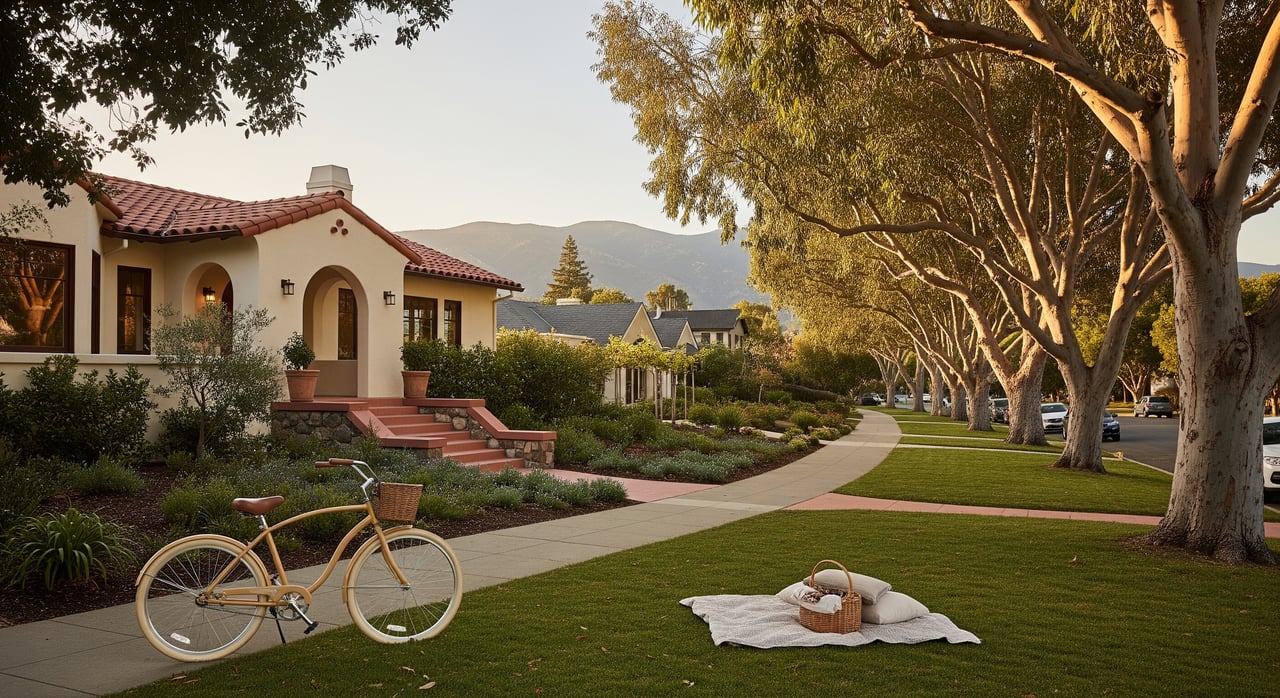
Resale homes often sit in established neighborhoods with mature trees and larger lots. If outdoor space or a specific block is a top priority, resale may offer more options in the exact area you want. For commute planning, weigh both driving patterns and transit access, and factor in your daily routines like parks, grocery, and restaurants.
Quick decision framework
Use this checklist to see which path fits your goals today:
- I need to move within 3 months. If yes, consider resale or completed new inventory.
- I can wait 6 to 18 months for the right home. If yes, consider to-be-built new construction.
- I prefer brand-new systems and fewer immediate repairs. If yes, lean toward new construction.
- I want a larger lot or established neighborhood character. If yes, lean toward resale.
- I want budget certainty on finishes up front. If yes, lean toward new construction with a firm upgrade plan.
- I value flexibility to negotiate price and credits. If yes, lean toward resale.
- I am comfortable with HOA dues and possible assessments. If yes, new construction may still pencil out.
- I need a specific school boundary or block location. If yes, resale often provides more precise choices.
Red flags that deserve a closer look:
- Arbitration clause or limited inspection rights in a builder contract
- Lack of third-party structural warranty documents
- Unapproved condo project for your loan type
- Unclear HOA budgets or special assessments
- Seller disclosures that mention unresolved defects
Smart next steps in Sunnyvale
- Get fully pre-approved for your target loan type. If you are considering to-be-built homes, ask about construction-to-permanent options.
- Define your top 5 non-negotiables such as bedrooms, commute time, yard size, parking or EV charging, and neighborhood preference.
- For new construction, request the full builder contract, warranty documents, CC&Rs, HOA budget, included-features list, upgrade catalog, estimated timeline, and any special assessments before you sign.
- For resale, have your agent pull fresh comps, review available disclosures, and line up inspectors familiar with older Silicon Valley homes. If touring new builds, line up an inspector who can conduct pre-drywall and pre-close inspections when allowed.
- Coordinate timing if you are buying and selling at once. Consider bridge loans or focusing on inventory that matches your move window.
Ready to compare real properties and timelines side by side in Sunnyvale? Get owner-level guidance and a practical plan with Ed Bangle. Schedule a free consultation and see which path fits your goals.
FAQs
Is new construction more expensive in Sunnyvale?
- Often yes up front, due to modern features and developer margins, but lower near-term maintenance and energy savings can offset some costs depending on upgrades and fees.
How long does a new build take compared to resale in Sunnyvale?
- Resales typically close in about 30 to 45 days after acceptance, while to-be-built homes can take 6 to 18 months or more depending on permits and construction.
Can I negotiate with a builder in Sunnyvale?
- It depends on timing and inventory; early sales or slower periods may include incentives, while high-demand phases often allow less flexibility.
What warranties come with a new Sunnyvale home?
- Many builders offer layered coverage such as about 1 year on workmanship, roughly 2 years on systems, and around 10 years on major structural items, with specifics in the contract.
How do HOAs and assessments affect my monthly costs?
- New communities often include HOA dues and can have special assessments like Mello-Roos, while many resales avoid those fees but may need more maintenance early on.